What You’ll Learn in This Article:
- What Does Home Insurance Cover? – The 6 Main Parts
- Specific events that are covered vs excluded
- How to calculate the right coverage amounts
- Common gaps that leave homes unprotected
- Ways to get better coverage for less money
What Is Home Insurance?
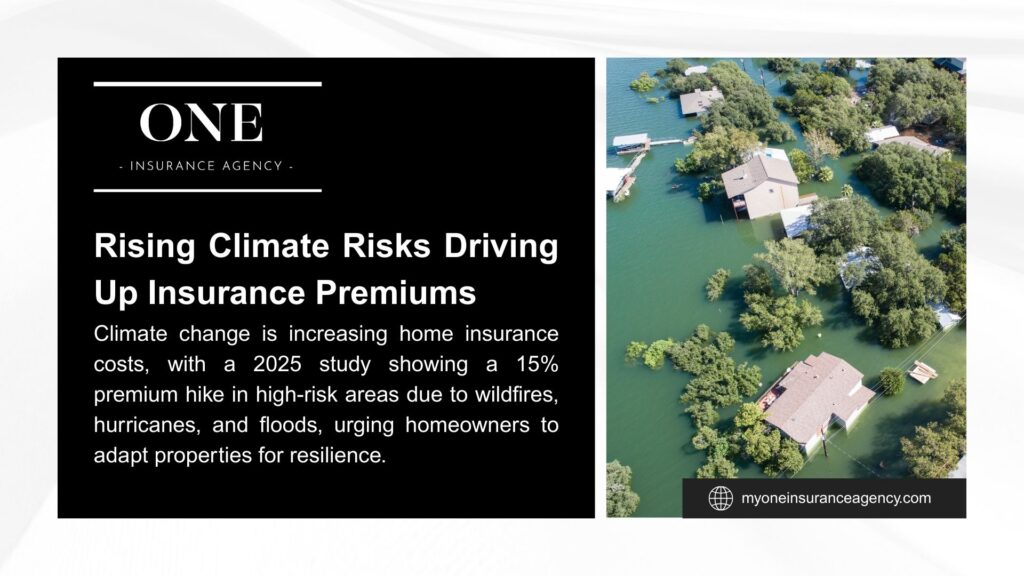
Home insurance is a policy that protects you financially if something bad happens to your home or the stuff inside it. Think fire, storms, theft, or even someone getting hurt on your property — home insurance helps cover the repair bills, replacement costs, or even legal fees.
What Does Home Insurance Cover? – The 6 Main Parts
1. Dwelling Coverage
Dwelling coverage pays to rebuild the structure of your residence after wand damage, including the walls, roof, and foundation of the house, or even built-in appliances.
Covered events will usually include fire, wind, hail, lightning, vandalism. Your coverage amount should be equal to the full cost of rebuilding your house.
| Covered Damage | Not Covered |
| Storm damage | Flood damage |
| Fire | Earthquake |
| Theft/vandalism | Normal wear |
| Falling objects | Poor maintenance |
2. Personal Property Coverage
Your home insurance protects the belongings inside your house through personal property coverage which are furniture, clothing, electronics, appliances, and other personal items if they get damaged or stolen during a covered event.
Insurance companies usually set your personal property coverage at 50-70% of whatever your dwelling coverage is, so if your home is insured for $300,000, you would have between $150,000 and $210,000 to cover your belongings.
3. Liability Protection
Liability coverage is the part of your policy that protects you financially if someone gets hurt on your property or if you accidentally damage someone else’s property. This coverage pays for their medical bills, legal fees if they sue you, and any settlement costs up to your policy limits.
Most standard policies include between $100,000 and $300,000 in liability protection, and this coverage follows you beyond your property too.
4. Additional Living Expenses
When your home becomes impossible to live in after covered damage like a fire or major storm, living expenses coverage helps pay for your temporary living costs.
This coverage pays for hotel rooms, apartment rentals, restaurant meals beyond what you’d normally spend, and extra driving costs while your home is getting repaired for you.
Insurance companies provide this coverage for 12 to 24 months or until your home is fixed, whichever comes first.
The amount available is usually limited to 20-30% of your dwelling coverage, which means higher home coverage also gives you more money for temporary living expenses.
5. Other Structures Coverage
Your property probably has more than just your main house on it, and other structures’ coverage protects these additional buildings and features. This includes detached garages, tool sheds, fences, driveways, and even in-ground swimming pools that aren’t attached to your main home.
Insurance companies typically provide other structures coverage at 10% of your dwelling coverage amount automatically. The same types of damage covered for your main home apply to these structures too, so storms and fires are covered.
6. Medical Payments Coverage
Medical payments coverage is a minor but nice thing under your policy that pays medical bills if a guest gets injured on your property, regardless of who was at fault. It exists for minor injury cases to be managed swiftly, without lawsuits or establishing blame for anything.
Coverage limits are relatively low in comparison, ranging between $1,000 and $5,000 for every injured person, and can include things like visits to the emergency room or urgent care.
What Home Insurance Does Not Cover
Some damage types require separate policies and standard home insurance always excludes these risks.
- Floods:
Water damage from flooding needs separate flood insurance. Regular policies only cover water damage from internal sources like burst pipes.
- Earthquakes:
Ground movement requires earthquake insurance. Even minor tremors aren’t covered by standard policies.
- Maintenance:
Insurance covers sudden damage, not gradual deterioration. Termites, rust, rot, and settling foundations are your responsibility.
- War and Nuclear:
Damage from war, nuclear hazards, or government actions has no coverage.
How Much Does Home Insurance Cost?
Home insurance costs on average hit $1,428 annually, but prices vary widely. Location creates the biggest differences in cost.
Your home’s age, size, and construction type affect rates. So do personal factors like credit score and claims history.
| Factor | Cost Impact |
| Poor credit | +50-100% higher |
| Previous claim | +20-40% higher |
| Old roof (15+ years) | +25% higher |
| Swimming pool | +10% higher |
| Security system | -5-20% lower |
Insurance companies also consider local risks. High crime areas, wildfire zones, and coastal regions pay more.
What Is Hazard Insurance for Home?
Hazard insurance equals the dwelling coverage portion of your policy. It’s the part protecting your home’s structure from specific hazards.
Mortgage lenders require hazard insurance to protect their investment. They’ll force-place expensive coverage if you don’t maintain your own.
The term gets used interchangeably with homeowners insurance. But technically, hazard insurance is just one piece of complete coverage.
How Much Home Insurance Do I Need?
“How much home insurance do I need” is a very common question from homeowners.
Start with dwelling coverage matching 100% of rebuild costs. This isn’t your home’s market value – it’s current construction costs.
Building costs rose 30% since 2020. Many homes need coverage increases to stay fully protected.
Personal property coverage should reflect actual value. Most people own more than they think. Document everything to get accurate numbers.
| Coverage Type | Recommended Amount |
| Dwelling | Full rebuild cost |
| Personal property | Actual belongings value |
| Liability | $300,000 minimum |
| Additional living | 20-30% of dwelling |
| Other structures | 10% of dwelling |
Liability needs depend on assets and risks. Higher net worth means that you need more protection. Pool owners and dog owners face increased liability risks too.
Signs You’re Underinsured
Coverage below 80% of rebuild cost triggers coinsurance penalties and even partial claims get reduced payments when you’re underinsured.
Old coverage amounts to signal problems and If limits haven’t changed in 3+ years, you’re probably underprotected.
Missing inflation adjustments leaves gaps. Construction costs increase yearly, but many policies stay flat without updates.
Basic liability limits expose assets and minimum coverage won’t protect savings and investments after serious accidents.
Smart Ways to Reduce Premium Costs
Bundle Multiple Policies: Combining home and auto insurance saves 15-25% typically. ONE Insurance agency handles all your insurance needs in one place.
Increase Deductibles: Moving from $500 to $1,000 deductibles saves 10-15% yearly. Just keep enough savings to cover the higher amount.
Improve Home Safety: Security systems, smoke detectors, and deadbolts earn discounts. Some companies give 5-20% off for safety features.
Shop Around Regularly: Rates change constantly. Comparing options every 2-3 years often finds better deals.

Critical Coverage Gaps to Fix
Sewer Backup: Standard policies exclude sewer and drain backups. This endorsement costs $40-50 yearly but prevents thousands in damage.
Identity Theft: Personal property coverage doesn’t include identity theft expenses. Adding this protection costs about $25-30 annually.
Home Business: Working from home creates liability gaps. Business property and liability need separate coverage.
High-Value Items: Jewelry, art, and collectibles hit coverage caps quickly. Schedule valuable items separately for full protection.
When to Update Your Coverage
Home improvements demand immediate updates. Renovations increase rebuild costs that need coverage adjustments.
Life changes affect insurance needs too. Marriage, divorce, inheritance, or major purchases all impact required protection levels.
Market conditions shift rebuild costs yearly. Schedule annual reviews to ensure coverage keeps pace with rising costs.
Different Homes Need Different Coverage
Older Homes: Houses 40+ years old face coverage restrictions. Updated systems like electrical and plumbing help reduce limitations.
Condos: Only interior coverage needed since HOA insures building exterior. Check master policy to avoid duplicate coverage.
Manufactured Homes: Mobile and manufactured homes need specialized policies. Standard home insurance won’t cover these properties.
Vacant Homes: Unoccupied properties lose coverage after 30-60 days. Special vacant home policies fill this gap.
One Insurance Agency Is The #1 Leading Business For House Insurances
ONE Insurance Agency is the most trusted independent insurance broker for 500+ families across the USA, not just because of the coverage options, but because of the personal service.
They have helped families save thousands of dollars on bundled policies and protected small businesses with proper liability coverage.
Get your free consultation now to see exactly what coverage fits your needs and budget.
Frequently Asked Questions (FAQ) From Homeowners
- Does home insurance cover mold?
Only if mold results from covered water damage. Long-term leaks or humidity issues aren’t covered. Quick action after water damage prevents excluded mold claims.
- What’s the difference between replacement cost and actual cash value?
Replacement cost pays full repair prices. Actual cash value subtracts depreciation. Always choose replacement cost for better protection.
- Do home warranties replace home insurance?
No, they’re completely different. Insurance covers sudden damage. Warranties cover appliance breakdowns. You need both for complete protection.
- How fast can coverage start?
Most policies begin immediately after approval. ONE Insurance provides quotes within 24-48 hours with same-day coverage available.
