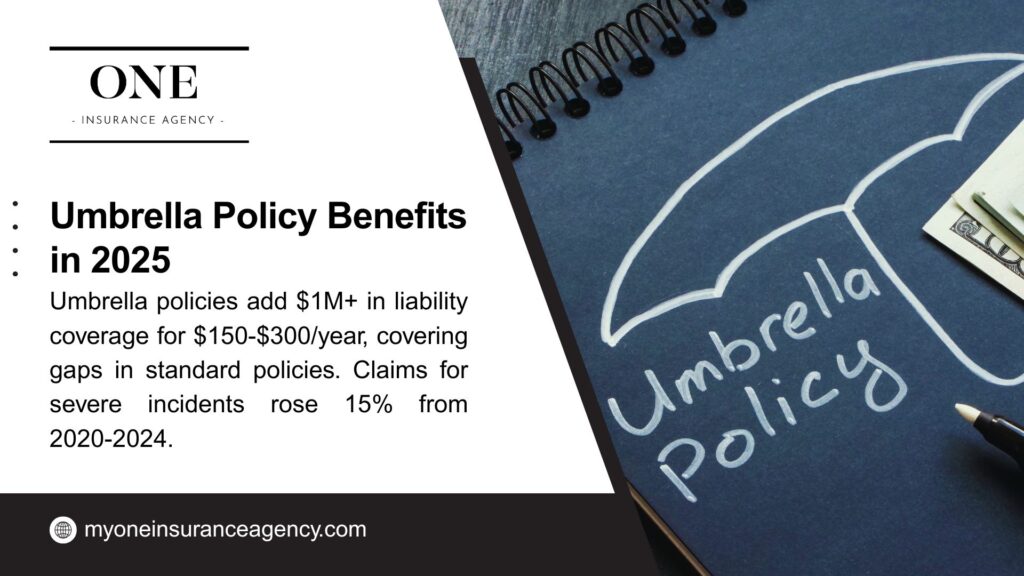
A study made by the Insurance Information Institute found that even if liability insurance claims are rare, they have higher payouts than property damage claims.
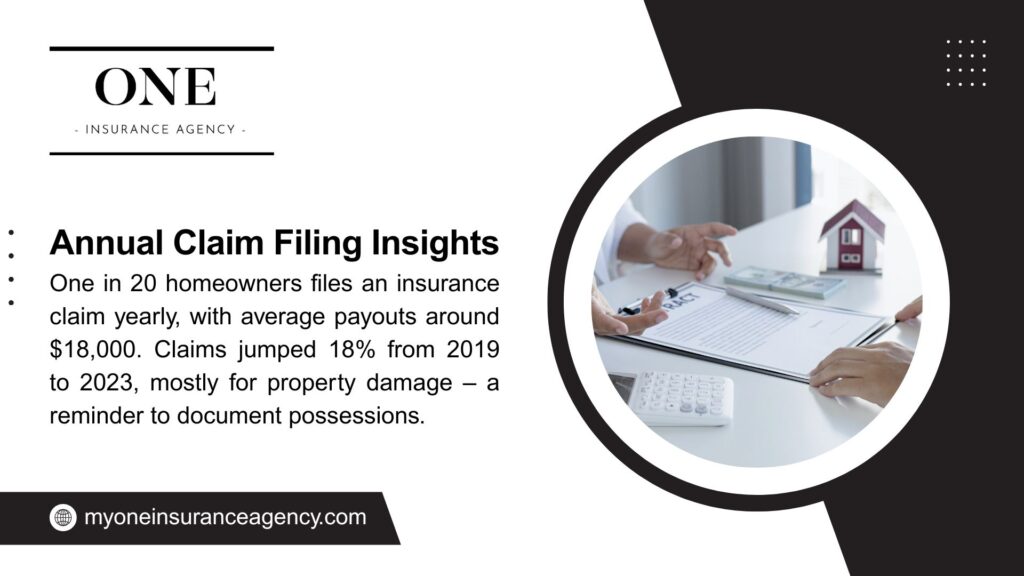
Between 2018 and 2022, the average liability insurance claim payout was $26,175. Yet most homeowners still can’t figure out how much homeowners liability coverage they actually need.
You need to know what homeowners liability coverage protects and how much you need so you can avoid financial losses when accidents happen. If you get this wrong, you might be stuck with lawsuit costs and medical bills that can be even 6 figures.
In this article, you will learn these 3 most important things:
- What homeowners’ liability coverage protects.
- How much coverage do you need?
- How to stay protected when there are accidents that involve your property or family members.
What Is Homeowners Liability Coverage?
Homeowners liability coverage is part of your home insurance that helps to pay if someone gets hurt on your property or if you accidentally hurt someone or damage their property. It doesn’t just cover your house—it also protects you and your family wherever you go.
Liability protection usually has two parts: bodily injury and property damage.
The coverage for bodily injury helps you to pay medical bills and legal fees if someone gets hurt because of you, and the coverage for property damage helps you to pay for repairs if you accidentally damage someone else’s property.
Why The Homeowners Liability Coverage Is Very Important For You
Today’s legal environment makes liability protection more critical than previous generations experienced.
Research that One Insurance Agency made showed that in 2024, dog bite claims cost a total of $1.57 billion annually, with the average cost of a dog bite claim in California reaching $69,272.
Medical costs continue rising, and lawsuit settlements frequently exceed $100,000, especially when it comes to serious injuries that involve permanent disabilities.
In 2025, homeowners insurance premiums per policy increased 8.7 percent faster than the rate of inflation from 2018-2022. This makes adequate liability protection more important than ever as both claim costs and insurance premiums continue climbing.
Consider these real-world scenarios that demonstrate why adequate coverage matters:
When a tree owned by a homeowner in Minnesota fell during a storm, it caused significant damage to two nearby homes, and injured one pedestrian. Because the damage exceeded their standard $100,000 liability limit, the judgment left the homeowner personally liable for the remaining $250,000, which exceeded their entire policy.
A family’s dog-bite incident resulted in reconstructive surgery costs exceeding $180,000. Without sufficient liability coverage, they would have faced bankruptcy or significant financial hardship.
Your assets are at stake beyond just medical bills. Liability claims can include pain and suffering damages, lost income compensation, and legal defense costs. These expenses add up quickly, making adequate coverage essential for protecting your savings, investments, and future earnings.
What Does Homeowners Liability Coverage Protect?
So, what does home insurance cover?
The home insurance coverage for liability typically includes protection in these situations:
On-Property Incidents
- Slip and fall accidents on your walkways, stairs, or in your home
- Injuries caused by your pets (with some breed restrictions)
- Swimming pool accidents and drowning incidents
- Tree or property damage affecting neighbors
- Accidents involving playground equipment or trampolines
Away-From-Home Protection
- Accidental damage you cause at someone else’s property
- Sports-related injuries you cause to others
- Shopping cart accidents in parking lots
- Your children accidentally damage the school or the neighbor’s property
Legal Defense Coverage
Your liability protection includes legal defense costs even if you’re found not liable. This coverage can save thousands in attorney fees, court costs, and legal proceedings—expenses that apply whether you win or lose the case.
| Coverage Type | What It Protects | Typical Limits |
| Bodily Injury | Medical bills, lost wages, pain/suffering | $100,000-$500,000+ |
| Property Damage | Others’ damaged belongings | $100,000-$500,000+ |
| Legal Defense | Attorney fees, court costs | Unlimited (typically) |
How Much Homeowners Liability Coverage Do You Need?
Determining adequate liability limits requires an honest assessment of your assets and potential risks. The homeowners liability coverage you need depends on your net worth plus your annual income. Financial experts typically recommend liability coverage equal to your total assets plus future earning potential.
Asset-Based Coverage Calculation
| Net Worth Range | Recommended Liability Coverage | Reasoning |
| Under $100,000 | $300,000 – $500,000 | Protects future earnings and prevents garnishment |
| $100,000 – $500,000 | $500,000 – $1,000,000 | Covers assets plus potential lawsuit settlements |
| Over $500,000 | $1,000,000 + Umbrella Policy | Comprehensive protection for high-value assets |
Risk Factor Considerations
Certain lifestyle factors increase your liability exposure and may warrant higher coverage limits:
- Pool or hot tub ownership significantly increases drowning and injury risks
- Large dogs or certain breeds face higher bite claim frequencies
- Frequent entertaining brings more visitors and potential accidents
- Teenage drivers in the household increase both home and away-from-home risks
- Home-based business activities may require additional commercial coverage
Standard policies exclude business-related liability, so entrepreneurs need separate commercial coverage even for home-based operations.
How Much Does Home Insurance Cost for Adequate Protection?
The cost of home insurance affects how much liability coverage you can afford for your protection needs. Home insurance costs an average of $2,408 a year, with liability coverage representing a small portion of your total premium.
Increasing liability limits from $100,000 to $300,000 typically adds only $50-$100 annually to your premium. Doubling coverage to $500,000 might cost an additional $100-$150 per year—a small price for significantly better protection.
Your liability coverage depends on your overall policy limits and specific risk factors. Higher dwelling coverage often includes proportionally higher liability limits, giving you more comprehensive protection across all coverage areas.
| Coverage Level | Annual Cost | Liability Limit | Personal Property Limit |
| Basic | $1,200-$1,500 | $100,000-$300,000 | $100,000-$140,000 |
| Standard | $1,500-$2,000 | $300,000-$500,000 | $150,000-$210,000 |
| Premium | $2,000-$3,000 | $500,000-$1,000,000+ | $250,000-$350,000 |
To learn more about how much home insurance costs, you can read our article for the fullest insights.
What Is Hazard Insurance for Home vs. Liability Coverage?
Basically, hazard insurance for home coverage is the dwelling portion that is part of your homeowner’s insurance policy, covering the structure of the home and built-in components from hazards such as fire, lightning, or windstorm. This is different from the liability side protecting your assets from lawsuits.
Hazard insurance protects your assets from damage, while liability coverage looks after damage you may accidentally cause to another person. Both pieces of the puzzle must join to form the complete homeowner’s protection, yet they are somewhat distinct from each other in terms of your comprehensive risk management strategy.
The hazard insurance side tends to carry higher limits for property coverage and better replacement cost coverage. However, because liability insurance will protect your financial future from a lawsuit exposure of potentially unlimited value, both hazards and liability insurance are equally important.
To learn more about what is hazard insurance for home is, read our article for more details.
Common Coverage Gaps That Leave You Vulnerable
Many homeowners discover coverage gaps only after filing claims. Understanding these limitations helps you address potential problems before accidents occur.
Policy Exclusions to Know
| Common Exclusions | Why It Matters | Solution |
| Intentional acts | No coverage for deliberate harm | Maintain good judgment and de-escalation skills |
| Business activities | Home office clients or deliveries | Add home business endorsement |
| Motor vehicle accidents | Your auto policy handles these claims | Ensure adequate auto liability limits |
| Certain dog breeds | Some insurers exclude specific breeds | Shop with breed-friendly insurers |
How Much Home Insurance Do I Need for Complete Protection?
How much home insurance you need depends partly on the value of your assets and liability exposure. Built-in components count toward your dwelling coverage needs, while liability coverage protects against lawsuit exposure that could exceed your property value.
Calculate your total asset value and add your annual income to determine minimum liability needs. For a typical homeowner with $400,000 in assets and $75,000 annual income, liability coverage should be at least $475,000—preferably $500,000 or higher.
Your liability needs may exceed your property value significantly. A $200,000 home doesn’t limit your lawsuit exposure to $200,000. Medical bills, lost wages, and pain/suffering awards can easily exceed property values, making adequate liability limits crucial regardless of home value.
How much homeowners liability coverage do I need? Check out our article for the fullest insights.
Are Appliances Covered Under Dwelling or Personal Property for Liability?
So, a question many homeowners ask is: Are appliances covered under dwelling property? Or are they covered in personal property for liability?
Built-in appliances like water heaters and HVAC systems get dwelling coverage, while portable appliances get personal property coverage.
For liability purposes, the coverage classification doesn’t matter—your liability protection responds when appliances cause injury to others. If your water heater explodes and injures a neighbor, liability coverage handles their medical bills and lawsuit costs regardless of whether the appliance gets dwelling or personal property coverage.
Malfunctioning appliances can create significant liability exposure. Gas appliances can cause explosions or carbon monoxide poisoning. Electrical appliances can cause fires that spread to neighboring properties. Adequate liability coverage protects against these risks regardless of appliance coverage classification.
Dwelling Property Insurance and Liability
Dwelling property insurance is a basic home policy that covers your house and built-in features. It may include some liability coverage, but the limits are usually lower than standard homeowners insurance. Regular homeowners policies offer broader liability protection, especially for owner-occupied homes.
Landlords often use dwelling property insurance for rentals, while tenants need renters insurance for their own liability. If you have a rental property, consider higher liability limits or an umbrella policy—tenants and maintenance issues can increase risk.
- Complete Coverage Check
One Insurance Agency reviews your full risk profile which includes assets, lifestyle and potential exposures. We have agents that provide you with personalized advice so you get the right coverage and avoid over-insuring and under-insuring.
Premium Factors and Cost Management
Key Cost Factors
| Factor | Impact on Premium | Management Strategy |
| Coverage Limit | Higher limits = Higher premium | Balance coverage needs with budget constraints |
| Claims History | Previous claims increase costs | Maintain good property maintenance |
| Risk Factors | Pools, pets, trampolines increase costs | Consider safety measures for discounts |
| Location Risk | High-crime areas cost more | Install security systems for discounts |
Premium Reduction Opportunities
Most insurers offer discounts for risk-reduction measures. Security systems, smoke detectors, or storm shutters can lower your premiums while they boost your family’s safety. Some carriers also provide discounts for claim-free years or company loyalty.
| Discount Type | Potential Savings | Requirements |
Multi-policy bundle | 10-25% | Auto + home with same carrier |
| Security system | 5-15% | Monitored alarm system |
| Claims-free history | 5-20% | No claims for 3-5 years |
Professional liability coverage reviews every few years to help you maintain proper protection without waste. Your assets grow and change over time, so your coverage needs shift too. Regular agent reviews help you adjust limits and capture new discount opportunities.
State-by-State Liability Risks and Costs
Different states face different liability risks that affect both claim frequency and coverage costs. Natural disasters, population density, and legal environments all influence liability exposure.
| High-Risk States | Primary Liability Concerns | Average Increase |
| Florida, California | Natural disasters, high settlements | 25-40% above the national average |
| Texas, New York | Population density, lawsuit frequency | 15-30% above the national average |
| Vermont, Wyoming | Low-risk areas | 10-20% below the national average |
Frequently Asked Questions (FAQ) From Homeowners
- How does liability coverage work with homeowners insurance deductibles?
Liability coverage operates separately from property damage deductibles. When you’re liable for someone’s injury or property damage, your liability coverage pays without applying your homeowners deductible. However, if the same incident damages your property, your deductible applies to your property damage claim.
- Does homeowners liability coverage protect all household members?
Yes, standard policies typically cover you, your spouse, and household family members (including children away at college). Some policies also extend limited coverage to temporary residents like nannies or elderly parents living in your home.
- What happens if my liability claim exceeds my coverage limits?
You become personally responsible for amounts exceeding your policy limits. This exposure can include wage garnishment, asset seizure, and future earnings claims. Adequate coverage limits and umbrella policies help prevent this financial catastrophe.
- How do I know if my current coverage is adequate for my situation?
Compare your liability limits to your total net worth plus annual income. If your coverage falls short of this combined amount, consider increasing limits or adding umbrella coverage. Review your policy annually as your assets and income change.
- Are there specific liability concerns for business activities at home?
Standard homeowners policies exclude business-related liability. Even small home-based businesses need separate commercial coverage or home business endorsements to protect against client injuries or business-related accidents.
Working with Insurance Professionals
ONE Insurance Agency provides clear guidance on appliance coverage and helps you find policies that protect both types of appliances properly. Our independent approach means you get unbiased advice and competitive rates from top insurance companies.Contact ONE Insurance Agency today to review your appliance coverage and make sure you’re protected when things go wrong. We’ll explain your options in simple terms and help you get the coverage you need at a price you can afford.
