
Article Summary
This guide covers dwelling property insurance basics through advanced strategies. You’ll learn about Coverage A limits, policy types DP-1 through DP-3, cost breakdowns by state, and coverage calculations. We analyze 2025 premium data, explain the 80% rule, review claim settlement options, and provide specific examples for different property types. Property owners get actionable steps to determine proper coverage amounts and avoid common mistakes that cost thousands during claims.
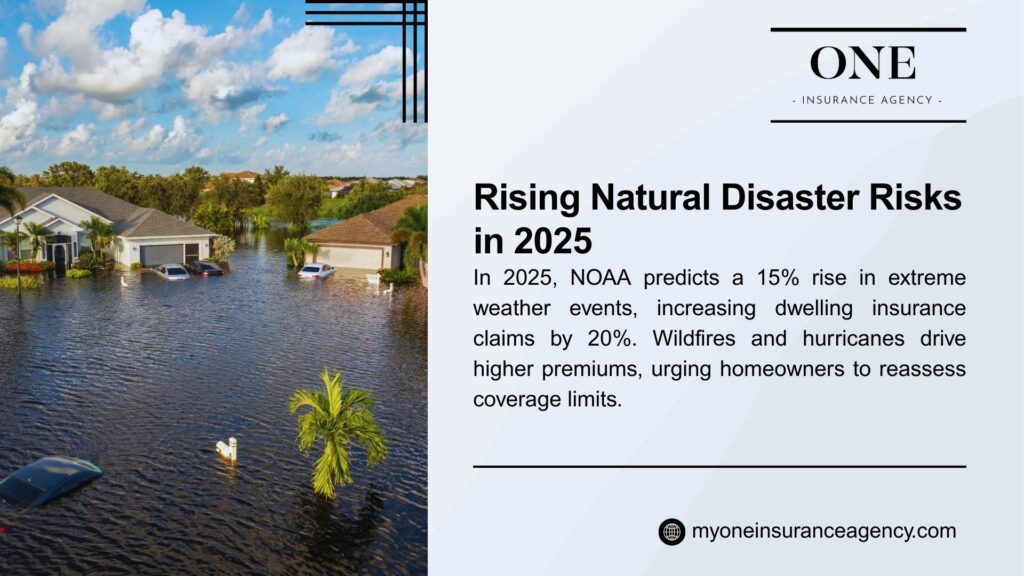
Dwelling property insurance protects your building’s structure – the walls, roof, foundation, and attached features. About 6.2 million homeowners filed property claims in 2023, with average payouts reaching $13,729 per claim. Yet 64% of property owners carry insufficient coverage limits.
Construction costs jumped 8.2% in 2025, making proper coverage more critical than ever. A $300,000 home that burned down could cost $350,000+ to rebuild with today’s material prices and labor shortages.
Property owners need different coverage based on how they use their buildings. Primary homes get homeowners insurance with dwelling coverage (Coverage A). Investment properties, vacation homes, and rentals need standalone dwelling policies.
What Dwelling Property Insurance Covers
Dwelling property insurance pays to repair or rebuild your property’s structure after covered damage. This includes the main building plus anything permanently attached – garages, decks, built-in appliances, cabinets, and flooring.
The coverage amount should equal your full replacement cost, not market value. A $400,000 house might only need $280,000 in dwelling coverage if land accounts for $120,000 of the property value.
Covered Structure Components
| Component | What’s Included | Average Replacement Cost |
| Foundation | Concrete, basement walls, and footings | $15,000-$35,000 |
| Framing | Wood/steel structure, load-bearing walls | $25,000-$60,000 |
| Roofing | Shingles, underlayment, gutters | $12,000-$25,000 |
| Exterior | Siding, windows, doors, trim | $20,000-$45,000 |
| Interior Systems | Electrical, plumbing, HVAC | $18,000-$40,000 |
| Built-in Features | Cabinets, counters, fixtures | $8,000-$20,000 |
Coverage Exclusions by Numbers
Standard dwelling property insurance excludes specific damage types. Here’s what 95% of policies won’t cover:
| Excluded Damage | Claims Denied Annually | Alternative Coverage |
| Flood damage | 847,000 claims | NFIP or private flood insurance |
| Earthquake damage | 156,000 claims | Earthquake endorsement |
| Maintenance issues | 2.1 million claims | Regular upkeep |
| Mold from neglect | 89,000 claims | Proper ventilation/maintenance |
| Business activities | 23,000 claims | Commercial property insurance |
Types of Dwelling Property Insurance
Three main policy types serve different property situations. Each offers different protection levels and settlement methods.
DP-1 Basic Form Coverage
DP-1 policies cover 11 named perils, including fire, lightning, windstorm, hail, explosion, riot, aircraft damage, vehicle damage, smoke, vandalism, and theft. These basic policies cost 30-40% less than comprehensive coverage.
Claims settle on an actual cash value (ACV) basis – replacement cost minus depreciation. A 10-year-old roof damaged by hail might get 50% of the replacement cost rather than the full repair value.
DP-1 Average Costs by Property Value:
| Property Value | Annual Premium | Coverage Limits | Deductible Options |
| $100,000-$150,000 | $680-$920 | Up to the property value | $500-$2,500 |
| $150,000-$250,000 | $890-$1,240 | Up to the property value | $1,000-$5,000 |
| $250,000-$400,000 | $1,180-$1,680 | Up to the property value | $1,000-$10,000 |
DP-2 Broad Form Coverage
DP-2 policies add 6 more covered perils: falling objects, weight of ice/snow, water damage from plumbing/appliances, electrical damage, and glass breakage. This covers 17 total named perils.
Claims still settle on ACV basis unless you buy replacement cost coverage for 15-25% more premium. DP-2 policies cost about 20% more than DP-1 coverage.
DP-3 Special Form Coverage
DP-3 provides open-perils coverage for dwelling structures – everything except specific exclusions gets covered. This represents the most comprehensive protection available.
Personal property stays on named-perils basis, but the building structure enjoys broader protection. Claims can settle on a replacement cost basis, paying full rebuild costs without depreciation.
DP-3 Premium Comparison by State (2024 Data / 2025 Data Still not available):
| State | Average Annual Premium | Coverage per $1,000 | High-Risk Multiplier |
| Texas | $2,890 | $8.90 | 2.1x (hurricane/hail) |
| Florida | $3,450 | $11.20 | 2.8x (hurricane) |
| California | $1,980 | $6.80 | 1.9x (wildfire/earthquake) |
| Minnesota | $1,650 | $5.40 | 1.2x (winter storms) |
| Ohio | $1,420 | $4.90 | 1.0x (baseline) |
Coverage Amount Calculations
Proper dwelling property insurance limits require replacement cost calculations, not market value guesswork. Professional appraisals cost $400-$600 but provide accurate rebuild estimates.
The 80% Rule Explained
Insurance companies apply the 80% rule for partial losses. Your dwelling coverage must equal 80% of the full replacement cost to receive a complete claim payment on partial damage.
Example: Your home needs $300,000 to rebuild completely. With only $200,000 in coverage (67% of replacement cost), you’d get penalized on claims:
| Damage Amount | Coverage Carried | Payment Received | Out-of-Pocket Cost |
| $50,000 roof | $200,000 (67%) | $41,667 | $8,333 |
| $100,000 fire | $200,000 (67%) | $83,333 | $16,667 |
| $150,000 storm | $200,000 (67%) | $125,000 | $25,000 |
With proper $240,000+ coverage (80% of $300,000), you’d receive full payment on these partial claims.
Replacement Cost Calculation Methods
Three approaches help determine accurate replacement cost for dwelling property insurance:
Square Footage Method:
- Measure heated/cooled square footage
- Multiply by the local construction cost per square foot
- Add 10-20% for site preparation and permits
Cost Estimator Tools: Insurance companies use detailed reconstruction calculators, considering:
- 47 construction variables
- Local labor rates
- Current material costs
- Architectural complexity
Professional Appraisal: Licensed appraisers examine:
- Foundation type and condition
- Framing materials and methods
- Roof style and materials
- Interior finishes and fixtures
- Special features and custom work
(2024-2025) Construction Costs by Region
| Region | Cost per Sq Ft | Labor Shortage Impact | Material Cost Increase |
| Northeast | $185-$240 | 15% premium | 12% above 2023 |
| Southeast | $145-$190 | 8% premium | 9% above 2023 |
| Midwest | $135-$175 | 5% premium | 7% above 2023 |
| Southwest | $160-$210 | 12% premium | 11% above 2023 |
| West Coast | $220-$295 | 20% premium | 15% above 2023 |
Policy Enhancements and Add-Ons
Basic dwelling property insurance can be enhanced with endorsements that provide better protection for specific risks or situations.
Replacement Cost vs Actual Cash Value
Actual Cash Value (ACV) pays replacement cost minus depreciation. A 15-year-old HVAC system with a 20-year life expectancy gets a 25% payment for replacement.
Replacement Cost Coverage pays full current prices to repair or replace damaged items. This endorsement typically adds 10-15% to premiums but eliminates depreciation from settlements.
Settlement Comparison Example:
| Damaged Item | Age | Replacement Cost | ACV Payment | Replacement Cost Payment |
| Roof (25-year life) | 10 years | $20,000 | $12,000 | $20,000 |
| HVAC (15-year life) | 8 years | $8,000 | $3,733 | $8,000 |
| Flooring (20-year life) | 12 years | $15,000 | $6,000 | $15,000 |
| Total | – | $43,000 | $21,733 | $43,000 |
Extended Replacement Cost Coverage
This endorsement provides 25-50% additional coverage beyond policy limits when reconstruction costs exceed original estimates. Particularly valuable after major disasters when material costs spike.
Extended Coverage Scenarios:
| Original Limit | Extension % | Additional Coverage | Total Available |
| $250,000 | 25% | $62,500 | $312,500 |
| $300,000 | 50% | $150,000 | $450,000 |
| $400,000 | 25% | $100,000 | $500,000 |
Claims Process and Timeline
Filing dwelling property insurance claims involves specific steps and timeframes. Quick action protects your claim and minimizes additional damage.
Claim Filing Timeline
Immediate (0-24 hours):
- Contact the insurance company to report the loss
- Take photos/video of all damage
- Secure the property to prevent further damage
- Keep receipts for emergency repairs
First Week:
- Meet with the insurance adjuster
- Provide policy information and documentation
- Get preliminary damage estimate
- Begin temporary repairs if approved
Weeks 2-4:
- Receive a detailed claim estimate
- Review the settlement offer
- Negotiate if necessary
- Select contractors for permanent repairs
Average Claim Settlement Times by Damage Type
| Damage Type | Simple Claims | Complex Claims | Average Payout |
| Fire damage | 45-60 days | 90-180 days | $76,263 |
| Wind/hail damage | 30-45 days | 60-120 days | $11,843 |
| Water damage | 35-50 days | 75-150 days | $8,937 |
| Theft/vandalism | 20-35 days | 45-90 days | $4,251 |
| Lightning damage | 25-40 days | 50-100 days | $12,965 |

Investment Property Considerations
Investment properties need specialized dwelling property insurance addressing unique risks and coverage requirements.
Rental Property Coverage Needs
Basic Structure Protection: Standard dwelling coverage protects the building structure. Landlords typically carry 20-30% higher limits than owner-occupied properties due to delayed damage discovery.
Loss of Rental Income: This coverage replaces lost rent when covered damage makes properties uninhabitable. Most policies provide 12 months of coverage, though extended periods are available.
Tenant-Related Damage: Coverage for damage beyond normal wear and tear. Separate from security deposits, this covers major tenant-caused damage like broken fixtures or intentional damage.
Rental Property Insurance Costs by Property Type
| Property Type | Annual Premium Range | Typical Coverage Limits | Required Add-Ons |
| Single-family rental | $1,200-$2,800 | $150,000-$400,000 dwelling | Loss of rent, liability |
| Multi-family (2-4 units) | $2,400-$5,600 | $300,000-$800,000 dwelling | Higher liability limits |
| Apartment building (5+ units) | $4,800-$12,000+ | $500,000+ dwelling | Commercial coverage |
| Vacation rental | $1,800-$3,200 | $200,000-$500,000 dwelling | Short-term rental endorsement |
State-Specific Requirements and Costs
Dwelling property insurance requirements and costs vary significantly by state due to different risks, regulations, and market conditions.
High-Risk State Considerations
Florida Requirements:
- Windstorm coverage is mandatory in coastal areas
- Citizens Property Insurance serves high-risk properties
- Average dwelling coverage: $2,890 annually
- Hurricane deductibles: 2-5% of dwelling limit
California Wildfire Zones:
- FAIR Plan provides last-resort coverage
- Brush clearance requirements affect rates
- Average dwelling coverage: $1,980 annually
- Earthquake coverage requires a separate policy
Texas Hail/Wind Zones:
- Named storm deductibles are common
- Texas Windstorm Insurance Association serves the coast
- Average dwelling coverage: $2,650 annually
- Hail damage claims average $8,400
Low-Risk State Advantages
| State | Average Premium | Primary Risks | Savings Strategies |
| Vermont | $890 | Winter storms, flooding | Bundle discounts, high deductibles |
| Maine | $945 | Ice damage, coastal storms | Claims-free discounts |
| New Hampshire | $1,020 | Winter weather | Security system discounts |
| Utah | $1,180 | Earthquakes, hail | Multi-policy discounts |
Cost-Saving Strategies
Multiple approaches can reduce dwelling property insurance premiums without sacrificing necessary protection.
Discount Opportunities by Category
Safety and Security Discounts:
| Safety Feature | Average Discount | Cost to Install | Annual Savings |
| Security system | 5-15% | $200-$800 | $75-$250 |
| Smoke detectors | 3-8% | $100-$300 | $45-$140 |
| Fire extinguishers | 2-5% | $50-$150 | $25-$85 |
| Storm shutters | 8-20% | $1,500-$5,000 | $125-$450 |
| Impact-resistant roof | 10-30% | $8,000-$15,000 | $180-$650 |
Policy Structure Discounts:
| Strategy | Potential Savings | Trade-offs |
| Increase deductible $1,000 to $2,500 | 8-15% premium reduction | Higher out-of-pocket costs |
| Bundle with auto insurance | 10-25% multi-policy discount | Must use the same company |
| Pay annually vs monthly | 3-8% payment savings | Larger upfront payment |
| Claims-free history | 5-20% loyalty discount | Avoid small claims |
Working with Insurance Professionals
Choosing appropriate dwelling property insurance requires expert guidance to navigate coverage options, state requirements, and cost considerations.
Professional agents provide access to multiple insurance companies and can compare coverage options to find optimal protection at competitive rates. Independent agents represent your interests rather than any single insurance company.
ONE Insurance Agency specializes in dwelling property insurance for homeowners and property investors across multiple states. Our agents review your specific situation, property characteristics, and budget to recommend appropriate coverage levels.
We provide free consultations to analyze your current coverage and identify potential gaps or overpayment situations. Many property owners discover they can improve protection while reducing costs through proper policy structure and available discounts.
Schedule a consultation today to review your dwelling property insurance needs and get personalized recommendations from our experienced team.
Key Takeaways
Dwelling property insurance forms the foundation of property protection, but coverage needs vary significantly based on property type, occupancy, and location. Primary residences need homeowners insurance with dwelling coverage, while investment properties require standalone dwelling policies.
Base coverage limits on replacement cost calculations, not market value. The 80% rule requires adequate coverage to avoid claim penalties on partial losses. Professional appraisals provide accurate replacement cost estimates for high-value or unique properties.
Review coverage annually as construction costs continue rising. 2025 data shows 8.2% average increases in building costs, making existing coverage inadequate over time. Update limits after property improvements or significant market changes.
Consider coverage enhancements like replacement cost coverage, extended replacement cost, and guaranteed replacement cost based on your property value and risk tolerance. These upgrades provide significantly better claim settlements despite higher premiums.
Work with experienced insurance professionals who understand local market conditions and can access multiple insurance companies. Proper coverage selection and discount application can provide better protection at lower costs.
Frequently Asked Questions
How much dwelling property insurance do I need? Coverage should equal 100% of replacement cost for full protection, minimum 80% to avoid claim penalties. For a $300,000 replacement cost home, carry $240,000-$300,000 in dwelling coverage.
What’s the difference between DP-1, DP-2, and DP-3 policies? DP-1 covers 11 named perils, DP-2 covers 17 named perils, and DP-3 provides open-perils coverage for dwelling structures. DP-3 offers the most comprehensive protection.
Do I need replacement cost coverage? Replacement cost coverage eliminates depreciation from claim settlements. Without it, you receive actual cash value – replacement cost minus depreciation. For most properties, replacement cost coverage provides significantly better claim payments.
How often should I review my dwelling coverage limits? Review annually and immediately after property improvements. Construction costs rise continuously, making existing coverage inadequate over time. Major renovations or additions require immediate coverage updates.
Can I get dwelling insurance for vacant properties? Yes, but vacant property insurance costs 50-100% more than occupied property coverage. Properties vacant longer than 30-60 days need specialized vacant dwelling policies with limited coverage and higher premiums.
Need help determining proper dwelling property insurance coverage for your property? Contact ONE Insurance Agency today for a free consultation and personalized coverage recommendations that protect your investment while fitting your budget.
For More:
